
Let's connect
Ask a question or leave me a comment
Oops! Something went wrong while submitting the form.


Modern travel has transformed the way people experience different countries, cultures, and landscapes. With advancements in transportation, reaching destinations across the globe has become easier than ever before. Among all available options, air travel continues to stand out as the quickest and most efficient method of transportation. Whether traveling for leisure, business, or family visits, Travel in Airplane offers unmatched speed and convenience. From crossing continents in hours to accessing remote destinations with ease, flying has revolutionized the travel industry and made the world more connected than ever.
One of the biggest reasons people choose airplanes is speed. What once took weeks or even months by land or sea can now be completed in just a few hours. This allows travelers to maximize their time at their destination rather than spending days in transit.
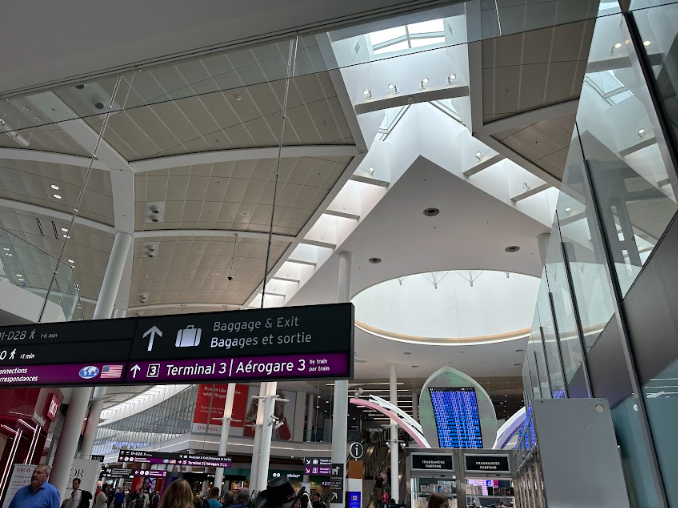
For example, international journeys that cover thousands of miles can be completed within a single day. This efficiency has made global travel accessible for millions of people who want to explore more places within limited vacation periods.
Time is one of the most valuable resources for travelers. Air travel minimizes travel time and allows people to spend more time enjoying attractions, meeting loved ones, or conducting business.
Instead of spending multiple days traveling between destinations, passengers can arrive quickly and begin their planned activities almost immediately.
Air transportation has significantly improved global connectivity. Airports and flight routes link cities, countries, and continents, making international travel more convenient and accessible.
Travelers can now reach destinations that were once considered difficult to access. The extensive network of airlines ensures that people can travel almost anywhere with relative ease.
The availability of frequent flights has opened countless opportunities for tourism, education, and cultural exchange. People can explore diverse destinations and gain experiences that broaden their understanding of the world.
This connectivity continues to strengthen relationships between nations and communities across the globe.
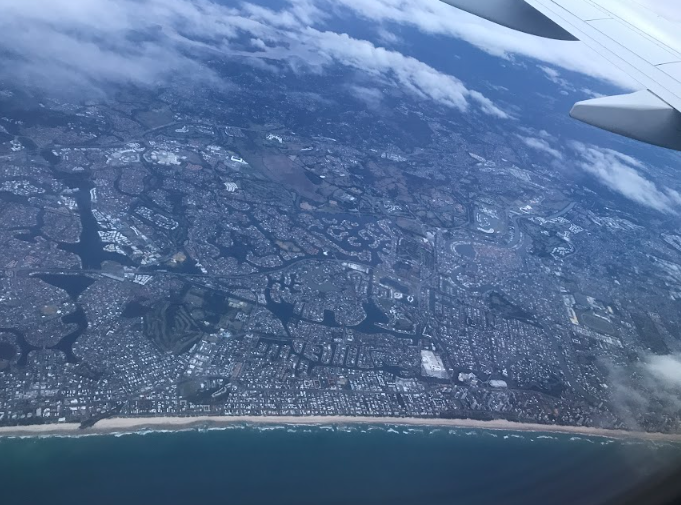
Convenience is another major advantage of flying. Modern airports provide streamlined services, comfortable facilities, and a wide range of amenities designed to improve the passenger experience.
Online booking systems, mobile boarding passes, and efficient check-in processes have simplified travel planning and reduced many of the challenges associated with long-distance journeys.
Most major cities are served by airports that offer domestic and international connections. This accessibility allows travelers to move between destinations quickly and efficiently.
Even remote regions often have nearby airports that make exploration possible without extensive overland travel.
Modern aircraft are designed to provide a comfortable travel experience. Passengers can enjoy spacious seating options, in-flight entertainment, meals, and other services that make long journeys more enjoyable.
Advancements in aviation technology have also improved safety and reduced travel-related stress, allowing passengers to relax throughout their journey.
Airlines continue to introduce features that improve passenger comfort. Wi-Fi access, entertainment systems, and upgraded seating options help travelers stay productive or entertained during flights.
These conveniences contribute to a more pleasant travel experience overall.
Air travel plays a vital role in supporting tourism industries around the world. Millions of travelers visit destinations each year, contributing to local economies and creating opportunities for businesses.
Hotels, restaurants, tour operators, and transportation services all benefit from the steady flow of visitors arriving by air.
Flying makes it easier for people to experience different cultures firsthand. Travelers can explore historical landmarks, sample local cuisine, and interact with communities that have unique traditions and lifestyles.
These experiences promote understanding, appreciation, and global awareness.
Many of the world's most beautiful destinations would be difficult to access without air transportation. Islands, mountain regions, and distant countries often rely on airports as primary gateways for visitors.
Air travel enables adventurers to reach places that would otherwise require extensive travel time and complicated logistics.
The ability to quickly reach remote destinations encourages travelers to explore beyond traditional tourist routes. This creates opportunities for unique adventures and unforgettable memories.
Whether visiting tropical islands or remote wilderness areas, flying makes exploration more practical and accessible.
Commercial aviation remains one of the safest forms of transportation. Strict regulations, advanced technology, and highly trained professionals contribute to high safety standards throughout the industry.
Passengers can travel with confidence knowing that extensive measures are in place to ensure safe and reliable journeys.
The aviation industry continually invests in new technologies that improve efficiency, sustainability, and passenger safety. These innovations help maintain air travel's reputation as a dependable transportation option.
As technology evolves, flying is expected to become even more efficient and environmentally responsible.
The future of aviation looks promising. Airlines and manufacturers are exploring sustainable fuels, advanced aircraft designs, and innovative technologies aimed at reducing environmental impact while maintaining convenience and speed.
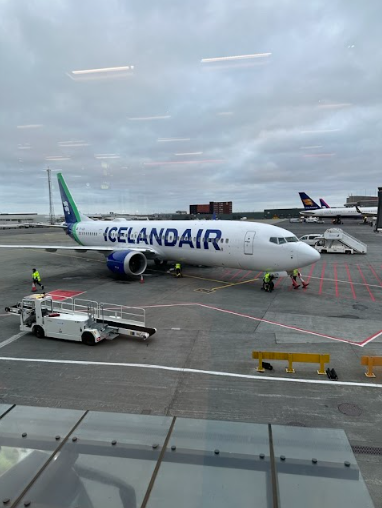
These developments will help ensure that air travel remains a preferred choice for future generations of travelers.
As global networks continue to expand, passengers will enjoy even greater access to destinations around the world. Improved infrastructure and new flight routes will make travel faster and more accessible than ever before.
This ongoing growth will continue to inspire exploration and international connections.
There is no denying the impact that air transportation has had on global travel. From saving valuable time and connecting distant destinations to supporting tourism and cultural exchange, flying remains the fastest and most efficient way to explore the world. The convenience, comfort, and accessibility offered by modern aviation make it an essential part of contemporary travel. Whether embarking on a short domestic journey or a long international adventure, Travel in Airplane continues to transform how people experience the world, making exploration easier, faster, and more exciting than ever before.


