
Let's connect
Ask a question or leave me a comment
Oops! Something went wrong while submitting the form.


Some destinations are beautiful, while others make you feel as though you have stepped into another world. Iceland is one of those rare places. With dramatic waterfalls, volcanic landscapes, glaciers, black-sand beaches, geothermal areas, and peaceful coastal scenery, the country offers an incredible variety of experiences in a relatively small area.
Some destinations are beautiful, while others make you feel as though you have stepped into another world. Iceland is one of those rare places. With dramatic waterfalls, volcanic landscapes, glaciers, black-sand beaches, geothermal areas, and peaceful coastal scenery, the country offers an incredible variety of experiences in a relatively small area.
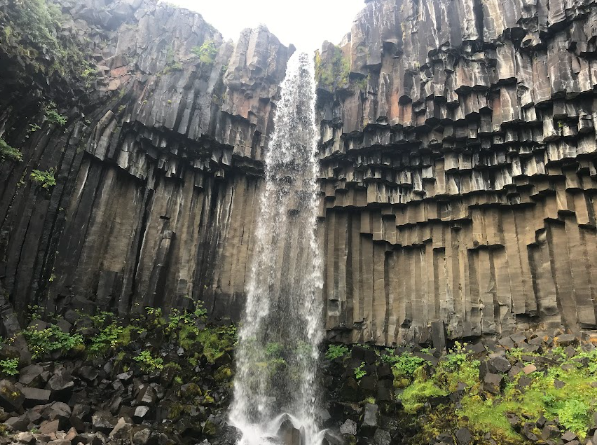
What makes Iceland especially fascinating is the way different landscapes exist side by side. You can explore a steaming geothermal area in the morning, walk beside a waterfall in the afternoon, and relax in a warm geothermal pool before watching the evening sky. The country's official tourism resources highlight its glaciers, volcanoes, hot springs, waterfalls, and rugged landscapes as some of its defining attractions.
Whether you are planning a road trip, a short getaway, or an outdoor adventure, Iceland gives you plenty of reasons to keep exploring.
Most visitors begin their Iceland adventure in Reykjavik, the country's lively capital. Although it is a city, nature never feels far away. Mountains, the ocean, geothermal areas, and outdoor attractions are all closely connected to the capital region.
Spend some time walking through the city center and discovering its colorful buildings, cafés, restaurants, shops, and cultural attractions. Hallgrímskirkja is one of the city's most recognizable landmarks, while the waterfront provides beautiful views across the surrounding landscape.
Reykjavik is also a great place to sample Icelandic food. Local ingredients such as seafood, lamb, skyr, and geothermal-grown produce feature prominently in the city's food scene.
If you are visiting Iceland for the first time, the Golden Circle is an excellent introduction to the country's natural and historical attractions.
This popular scenic route connects several major sights, including Þingvellir National Park, the Geysir geothermal area, and Gullfoss waterfall. The route can be explored as a day trip or incorporated into a longer itinerary.
At the Geysir geothermal area, Strokkur regularly erupts, sending hot water high into the air. At Gullfoss, powerful glacial water plunges into a dramatic canyon.
Þingvellir offers something different. Along with beautiful scenery, the area has major historical importance and is a UNESCO World Heritage site. It is also known for visible geological features associated with the movement of tectonic plates.
Iceland's waterfalls are among the country's most memorable sights, and the South Coast is an excellent place to experience them.
Seljalandsfoss is famous for the unusual opportunity to walk behind the waterfall when conditions allow, while nearby Skógafoss creates an impressive wall of falling water. Further east, travelers can discover more waterfalls as the landscape gradually changes toward glaciers, black-sand beaches, and rugged coastal scenery.
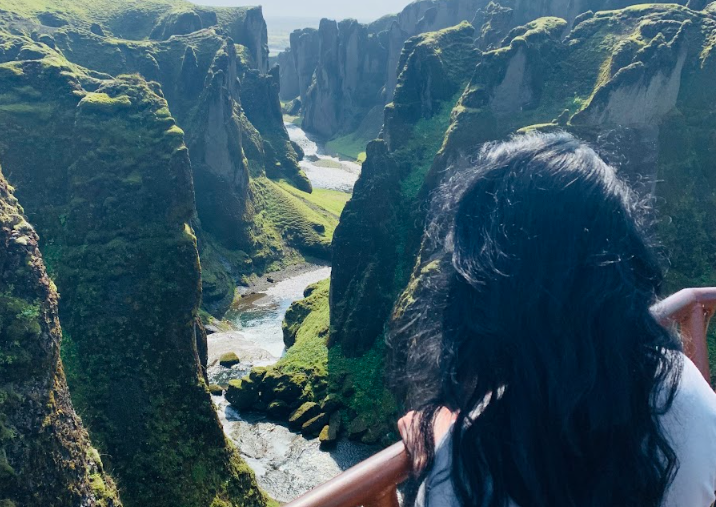
Bring waterproof clothing and protect your camera because the spray around major waterfalls can be surprisingly powerful.
One of the joys of traveling through Iceland is that you do not always have to search for spectacular scenery. Sometimes you simply turn a corner on the road and find yourself looking at something extraordinary.
The coastline provides another side of Iceland's dramatic personality. Reynisfjara is perhaps the country's best-known black-sand beach, with dark volcanic sand, basalt formations, and impressive sea stacks.
The landscape is striking, but visitors need to take safety seriously. Powerful sneaker waves and strong currents can make the beach dangerous, and travelers should stay well back from the water and follow local warnings.
The beach is a perfect example of why responsible travel matters in Iceland. Admire the scenery, take photographs from safe areas, and respect barriers and signs.
Glaciers add another unforgettable dimension to an Icelandic adventure. Vatnajökull, Europe's largest glacier by volume, dominates much of the southeast landscape and is connected with spectacular scenery, waterfalls, and other natural features.
Jökulsárlón glacier lagoon is another remarkable stop, where chunks of glacial ice float across the water before eventually making their way toward the sea. Nearby Diamond Beach provides a fascinating contrast as pieces of ice can appear scattered across the black sand.
Depending on conditions and your experience level, guided glacier walks and other activities can provide a closer look at Iceland's icy landscapes.
After days of sightseeing and outdoor activities, there is something wonderfully relaxing about soaking in warm geothermal water.
Geothermal energy is an important part of Iceland's natural environment, and visitors have many opportunities to enjoy geothermal pools and wellness experiences. Official tourism information highlights geothermal bathing as one of the country's year-round experiences.
You can choose from modern geothermal spas, local swimming pools, or other bathing experiences depending on your itinerary.
There is no better way to end a busy day than sitting in warm water while surrounded by Iceland's cool air and dramatic scenery.
For many travelers, seeing the Northern Lights is the dream experience that inspires a trip to Iceland.
The main Northern Lights season runs from September through April, when longer periods of darkness make the aurora visible. However, sightings depend on factors such as clear skies and solar activity, so there are no guarantees.
One of the best ways to improve your chances is to spend several nights in Iceland and get away from bright city lights when possible.
The experience can be magical. Imagine standing beneath a dark sky while green or other colors begin moving across the horizon. Even when the display is subtle, the anticipation makes the experience memorable.
Although the major attractions deserve attention, some of the best travel memories can come from quieter places.
Explore small coastal communities, stop at local cafés, walk along peaceful stretches of countryside, or take a scenic drive simply because the landscape looks interesting. Iceland offers experiences throughout its different regions, from the Westfjords and North to the South and the capital area.
If you have enough time, avoid creating an itinerary that is so packed that you spend the entire vacation rushing between attractions. Leave room for spontaneous stops and unexpected discoveries.
Iceland's landscapes can be beautiful but also challenging. Weather can change quickly, roads may become difficult depending on conditions, and natural attractions such as beaches, cliffs, waterfalls, and geothermal areas can have serious hazards.
Stay on marked paths, respect barriers, follow local warnings, and check current conditions before heading out. SafeTravel Iceland specifically recommends paying attention to hazards around waterfalls, beaches, hot springs, volcanic areas, and other natural attractions.
Packing layers is also important. Iceland's official safety guidance emphasizes dressing appropriately because conditions can vary significantly.
The beauty of Iceland is that every region seems to offer a different story. Waterfalls, glaciers, volcanoes, geothermal pools, beaches, mountains, and colorful skies all contribute to an unforgettable travel experience.
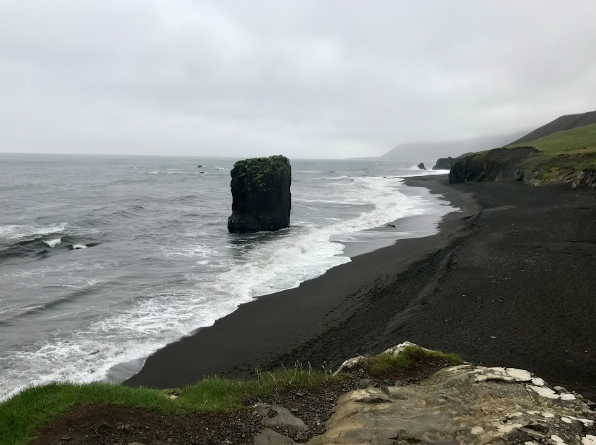
You can build your trip around famous landmarks or create a slower journey focused on nature, food, culture, and quiet moments. Whatever style of travel you prefer, give yourself enough time to appreciate the landscape rather than simply checking attractions off a list.
Iceland is a destination that rewards curiosity. Take the scenic route, stop when something catches your eye, respect the environment, and let the landscape surprise you. Your most memorable Iceland experience may end up being a moment you never planned.


